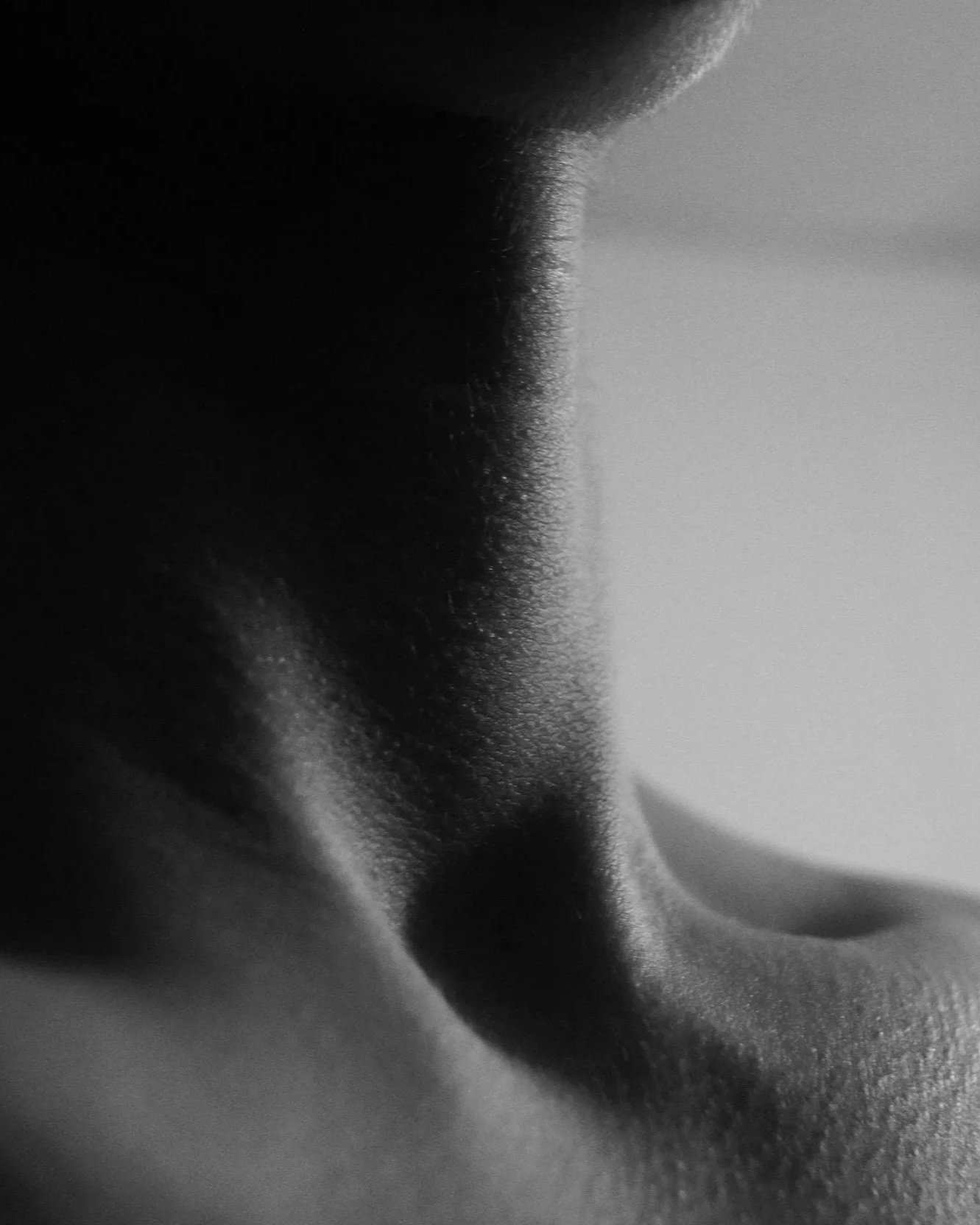
SCM Syndrome (Sternocleidomastoid Dysfunction)
The sternocleidomastoid (SCM) is a prominent muscle on each side of the neck, running from behind the ear to the collarbone and breastbone. It plays an important role in turning and bending the head and in helping stabilize the head and neck during movement.
When the SCM becomes painful, overworked, or develops sensitive trigger points, symptoms may extend beyond the muscle itself. SCM-related pain can be felt in areas of the head, face, jaw, or around the ear, and may occur together with neck stiffness, headaches, and restricted movement.
Some people with neck dysfunction also report symptoms such as dizziness or a sense of imbalance. Because these symptoms can have many possible causes—including inner-ear, neurological, cardiovascular, and other medical conditions—it is important not to assume that the SCM is responsible. A careful assessment can help determine whether the SCM and other structures of the neck may be contributing to the overall pattern of symptoms.
Symptoms That May Be Associated With SCM Dysfunction
The SCM contains sensory receptors involved in monitoring the position and movement of the head and neck. When the muscle becomes painful, overworked, or develops trigger points, it can contribute to altered neck movement and characteristic patterns of referred pain.
Symptoms that may occur in association with SCM dysfunction include:
Headaches & Referred Facial Pain: SCM trigger points can produce referred pain that may be felt in areas such as the forehead, around the eye, cheek, jaw, or behind the ear. These symptoms can sometimes resemble other headache or facial pain conditions.
Dizziness & Unsteadiness: Some people with neck pain and dysfunction report dizziness, lightheadedness, or a sense of imbalance. The SCM may be one of several cervical structures considered during an assessment, but dizziness should not automatically be attributed to this muscle.
Eye & Facial Symptoms: Some patients report discomfort around the eye or other facial symptoms occurring together with SCM-related pain. Because visual symptoms can have many causes, persistent or unexplained visual changes require appropriate evaluation.
Ear-Related Symptoms: Ear discomfort, pressure, or tinnitus may occasionally occur alongside neck and jaw symptoms. These symptoms have many potential causes, however, and should not be assumed to originate from the SCM.
Restricted Neck Movement: SCM irritation or tightness can contribute to pain, stiffness, and difficulty comfortably turning or bending the head and neck.

Common Factors That Can Contribute to SCM Strain
The SCM can become irritated or overworked when the neck is exposed to prolonged positions, repetitive movements, or sudden mechanical stress. Common contributing factors may include:
Forward-Head Posture & Prolonged Screen Use: Spending long periods with the head positioned forward or looking down at a computer, tablet, or mobile device can increase muscular demand on the neck, including the SCM.
Previous Neck Injury or Whiplash: Sudden acceleration-deceleration injuries can strain the muscles and other soft tissues of the neck. In some people, pain, sensitivity, or altered movement patterns may persist after the initial injury has healed.
Repetitive or Sustained Neck Positions: Frequently turning the head to one side, working with a poorly positioned monitor, or holding a phone between the shoulder and ear can place prolonged or repetitive stress on the SCM and surrounding muscles.
Muscle Imbalance & Movement Patterns: Weakness, reduced mobility, or altered coordination involving other muscles of the neck and shoulder region may increase the workload placed on the SCM during everyday activities.
Our Hands-On Approach to SCM Dysfunction
Treatment is individualized according to the findings of your examination. Our approach is primarily hands-on and considers not only the SCM itself, but also the joints, muscles, tendons, ligaments, and movement patterns of the neck and surrounding regions that may be contributing to your symptoms.
Trigger Point & Soft-Tissue Therapy: Focused hands-on treatment may be used to address sensitive trigger points, muscular tension, and restricted soft-tissue movement involving the sternal and clavicular portions of the SCM and related neck muscles.
Active Release Techniques (ART): Specific combinations of manual pressure and patient movement may be used to address areas of soft-tissue restriction and improve comfortable movement of the involved muscles and surrounding tissues.
Joint Mobilization & Manipulation: When appropriate, gentle mobilization or manipulation may be used to improve movement in restricted areas of the cervical and upper thoracic spine. Manipulation is one treatment option and is used according to the individual patient's examination findings and needs.
Postural & Movement Rehabilitation: Individualized mobility, stretching, strengthening, and movement exercises may be used to reduce unnecessary strain on the SCM and improve the way the neck and shoulder region function during everyday activities.
The goal is to improve comfortable movement and function while addressing the musculoskeletal factors that appear to be contributing to each patient's symptoms.