TMJ & Jaw Pain: Temporomandibular Joint Dysfunction
The TMJ is a complex mechanical system involving the jaw joint, articular disc, ligaments, muscles and surrounding nerves. Problems can develop when normal jaw movement is affected by joint irritation, muscle tension, altered movement patterns, clenching or grinding, previous injury, or other mechanical factors. Because the muscles and joints of the jaw and upper neck function closely together, TMJ problems may also occur alongside neck pain, headaches, facial discomfort or restricted neck movement.
Common Symptoms Associated with TMJ Dysfunction
TMJ dysfunction can affect the jaw itself as well as the surrounding muscles of the face, head, and neck. Symptoms vary from person to person and may include:
Jaw Pain & Tenderness: Pain or sensitivity around the jaw joint, particularly when chewing, speaking, or opening the mouth.
Clicking, Popping & Restricted Movement: Clicking or popping during jaw movement, difficulty opening the mouth fully, or episodes in which the jaw feels temporarily locked.
Headaches & Facial Pain: Tension or discomfort involving the temples, cheeks, or muscles around the jaw may occur alongside TMJ dysfunction.
Ear-Related Symptoms: Some people with TMJ disorders report ear discomfort, pressure, fullness, or tinnitus. Because these symptoms can also have other causes, appropriate assessment is important.
Neck & Upper-Shoulder Tension: Jaw dysfunction may occur together with neck pain, muscle tension, headaches, and altered movement of the upper cervical region.
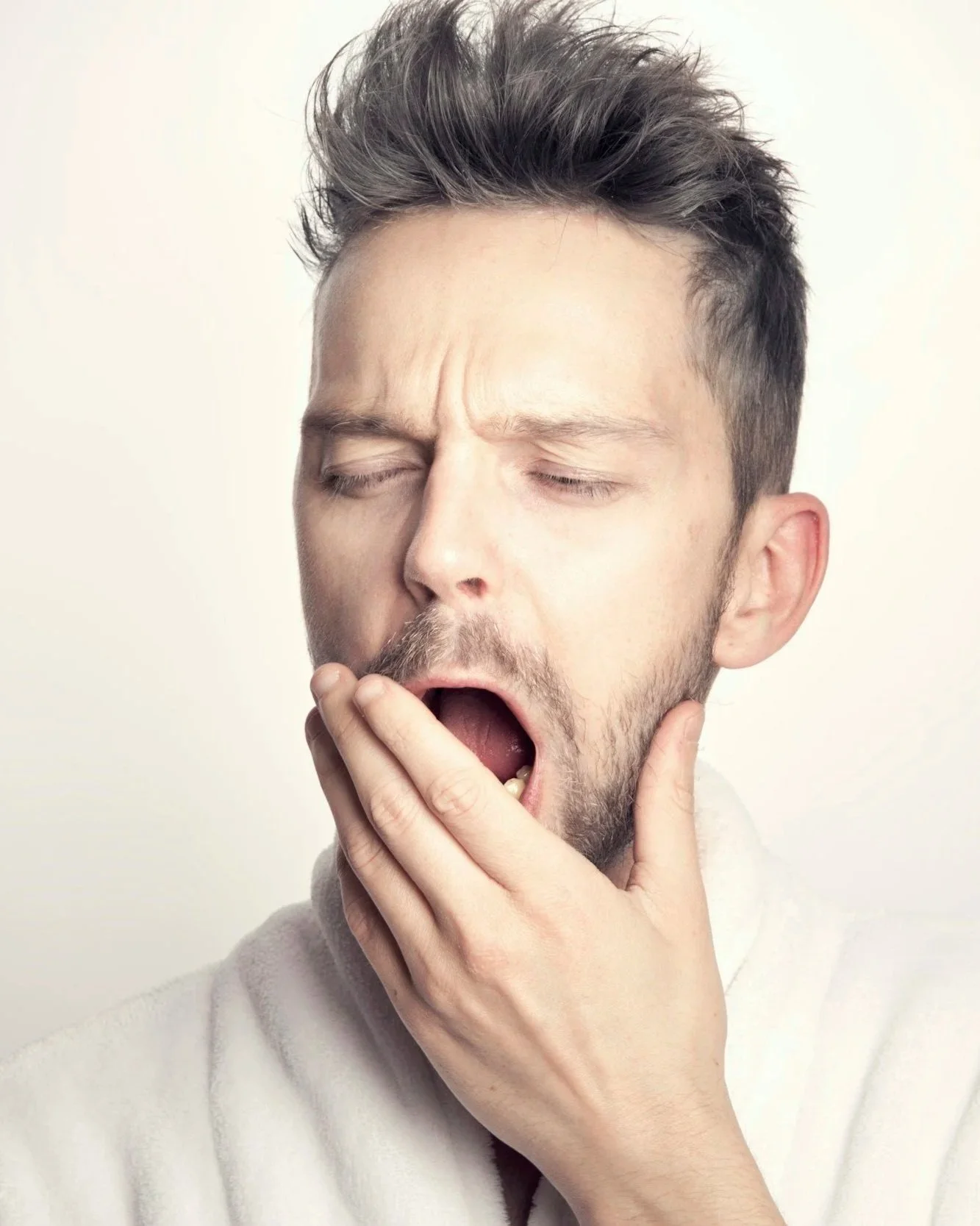
The Connection Between the Jaw, Neck & Dental Health
Jaw function is influenced by several interacting factors, including the TMJ itself, the muscles used for chewing, the upper neck, posture, and a person’s bite. For some patients, restrictions or muscle tension in the neck may occur alongside altered jaw movement and TMJ symptoms.
Dental procedures that require the mouth to remain open for an extended period can also temporarily strain the jaw joint and surrounding muscles. When jaw pain, clicking, or restricted movement persists following dental treatment, a musculoskeletal assessment can help determine whether the TMJ, jaw muscles, or cervical spine may be contributing to the problem.
Our Hands-On Approach to TMJ & Jaw Pain
Treatment is based on the findings of your individual assessment. When TMJ symptoms have a musculoskeletal component, care may address the jaw joint, surrounding soft tissues, and related neck dysfunction rather than focusing on the painful area alone.
Intra-Oral & Extra-Oral Manual Therapy: Hands-on soft-tissue and trigger-point techniques may be used for muscles involved in jaw function, including the masseter and pterygoid muscles, to address areas of tension, tenderness, and restricted movement.
Gentle Joint Mobilization: When appropriate, gentle mobilization or manipulation may be used to address restricted movement of the TMJ and cervical spine and help improve joint mechanics.
Trigger Point & Soft-Tissue Therapy: Treatment may also address involved muscles of the jaw, face, neck, and upper shoulder region when examination identifies tension or trigger points contributing to the patient's symptoms.
Targeted Corrective Exercises: Individualized jaw-control, mobility, and postural exercises may be prescribed to improve movement patterns and help patients manage their symptoms between visits.